
Sibiu Romania: Medieval City Break Guide 2025
Tucked into the heart of Transylvania in central Romania, Sibiu stands as one of Europe's finest preserved medieval cities, and for now, it remains gloriously off the beaten path. While Prague absorbs millions of visitors and Dubrovnik strains under the weight of cruise ship crowds, Sibiu quietly goesSibiu: The Medieval Transylvanian City That Europe Has Not Yet Managed to Ruin
about its business, offering old-world cobblestones, alpine mountain drives, and a food scene that consistently over-delivers, all at prices that feel almost implausible by Western European standards.
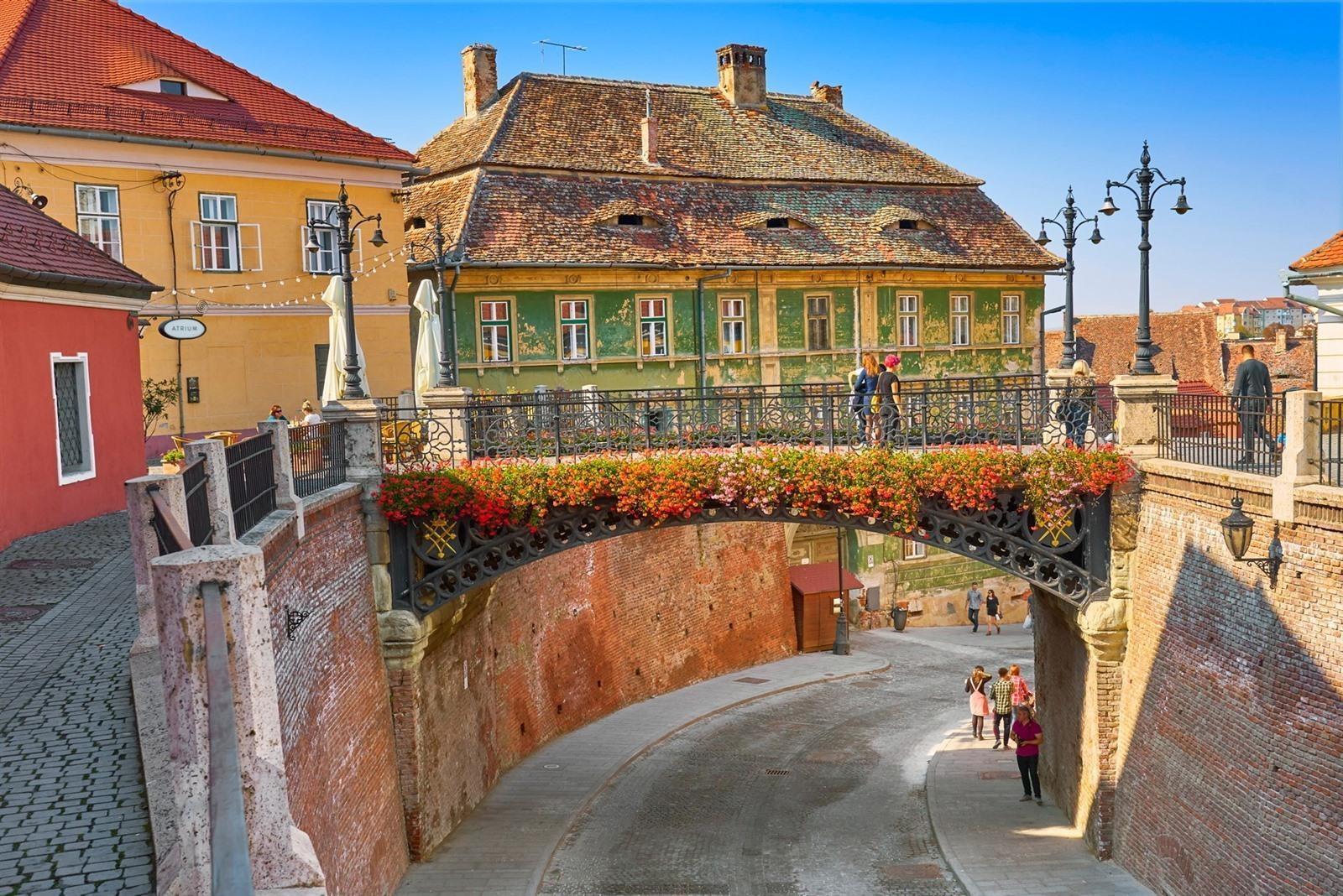
The city's historic centre is the natural starting point. Three interconnected squares, Piata Mare, Piata Mica, and Huet Square, anchor the old town, linked by narrow lanes and covered passageways that have changed little over the centuries. The architecture is arresting, but it is the rooftops that truly define Sibiu. Dormer windows embedded into the red-tiled roofs are known locally as the "Eyes of Sibiu" because they appear to stare down at anyone walking the streets below. The effect is genuinely unsettling and completely memorable.
For those who want to understand the city's scale and history from above, the Council Tower offers panoramic views across the rooftops. Below, the Liar's Bridge, Romania's first cast-iron bridge, connects the upper and lower quarters of the town. The Brukenthal Museum, housed in a Baroque palace and opened in 1817, holds the distinction of being the oldest museum in Romania.
Beyond the city limits, the landscape delivers something exceptional. Within an hour's drive, visitors can reach the Transfagarasan road, a military route built through the Fagaras Mountains that climbs above 2,000 metres through switchbacks, tunnels, and views that rank among the most spectacular driving experiences in Europe. For a quieter alternative, the Cindrel Mountains offer forest trails and traditional shepherd villages that feel rooted firmly in the 19th century.
Sibiu earned the title of European Capital of Culture in 2007, and its culinary reputation has grown steadily since. Transylvanian cuisine draws on Romanian, Saxon, and Hungarian influences, producing dishes like ciorba de perisoare (meatball soup), sarmale (cabbage rolls stuffed with meat and rice), and papanasi (fried doughnuts served with cream and jam). Restaurants in the old town are increasingly applying modern techniques to these classics, while meal prices averaging between £10 and £15 per person keep the experience accessible.
Accommodation options span a broad range. The Noblesse Boutique Hotel, rated 9.0 and positioned in the heart of the old town, offers rooms from £109 per night including breakfast. Hotel Imparatul Romanilor sits just 0.1 miles from the historic centre with spa facilities and rates from £104 per night. For stronger value, the Best Western Silva Hotel carries the same 9.0 rating at £86 per night with breakfast included. Budget travellers will find Hotel Parc Sibiu remarkable, rated 8.8 and available from £42 per night.
Getting to Sibiu is straightforward. The city has its own airport with direct connections from several European cities, and a 4.5-hour train from Bucharest provides an alternative for those travelling overland.
What Sibiu offers that its more famous rivals cannot is space and authenticity. The old town can be explored without queues. A coffee on Piata Mare comes without a performance for the crowds. Mountain trails are shared with hikers rather than tourist groups. The city rewards travellers willing to look slightly beyond the obvious choices, and on current evidence, that reward is considerable. The only reasonable uncertainty is how much longer this particular secret holds.
Share this article
Press Release+
More from ANS News


Distribution
Part of the ANS News Network
Published by Lemax Ltd
Want to be featured?
Start publishing professional articles across the ANS network — your first one's free
Try Your First Article Free